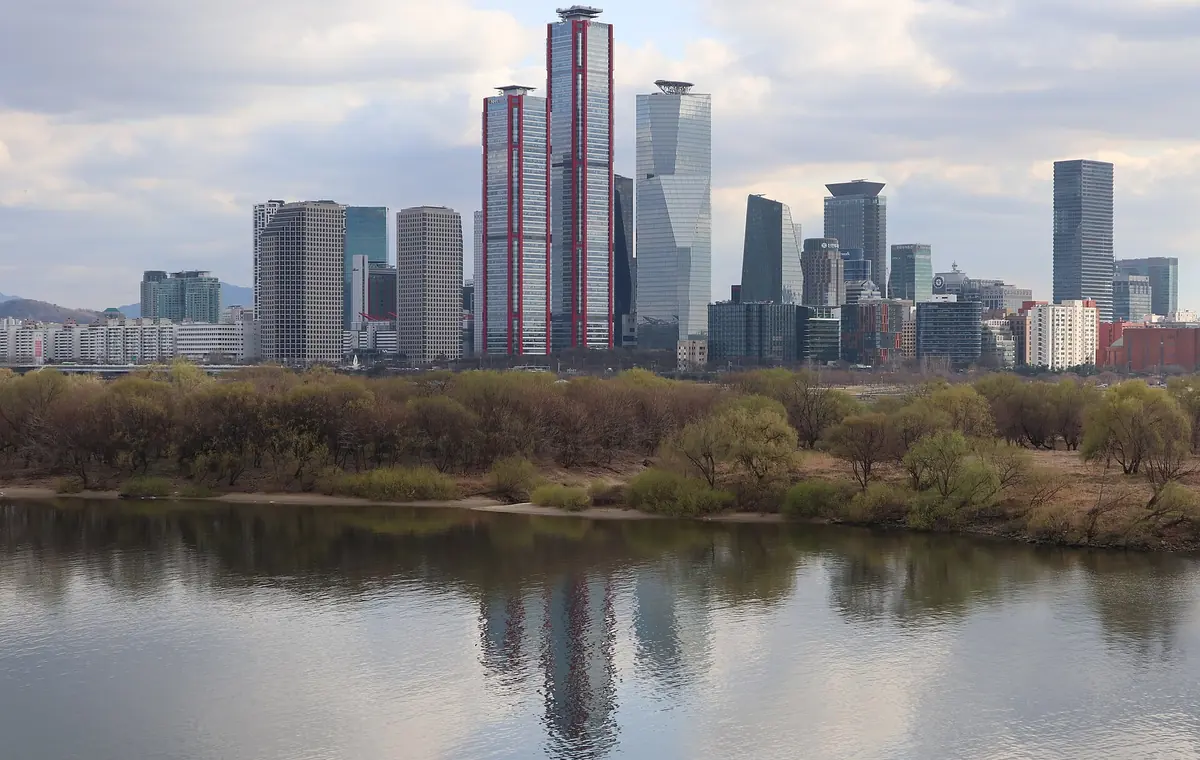
Seoul's market close has long been an awkward cutoff for overseas investors. When the Korea Exchange regular session ends at 3:30 p.m., London is starting its morning and New York is still asleep. Investors reacting to Korean earnings or industry news often had to wait because local business hours did not overlap. The KRX After-market, launched on September 14, 2026, narrows that gap. KOSPI and KOSDAQ shares now trade continuously again from 4 p.m. to 8 p.m. Korea Standard Time.
Still, remembering only that Korean stocks trade at night can lead to rejected or poorly understood orders. Not every security or order type is available, and evening liquidity is split between two venues. This guide sets out what overseas investors should check as of October 12, 2026.
A ten-minute auction became a continuous market
The old KRX single-price after-hours session collected orders and matched them once every ten minutes from 4 p.m. to 6 p.m. The new After-market runs from 4 p.m. to 8 p.m. and matches orders continuously by price and time priority. That effectively adds four hours of moving quotes after the regular session. Separate closing-price trading remains available from 3:40 p.m. to 4 p.m.
Regular session: 09:00–15:30. After-hours closing-price trading: 15:40–16:00. KRX After-market: 16:00–20:00. Each segment uses different order mechanics.
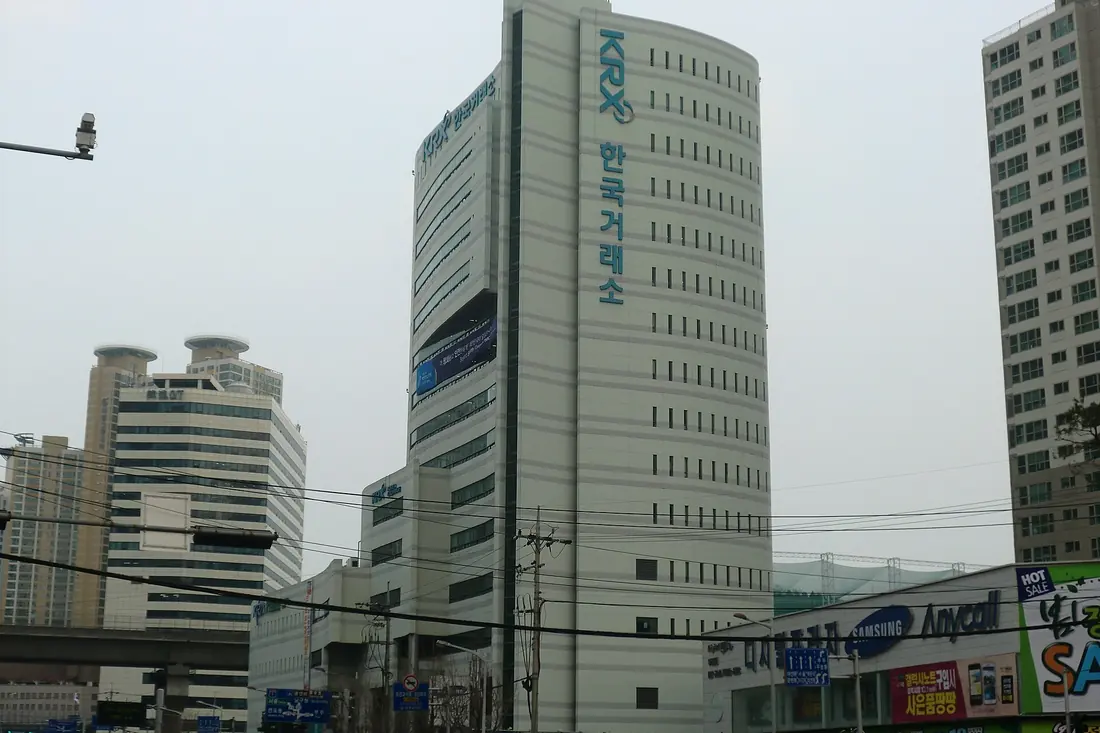
On its first day, the KRX After-market handled 72.24 million shares worth KRW 1.8177 trillion, equal to 7.04% of regular-session value. Nextrade, or NXT, traded KRW 1.7896 trillion during the same hours. Evening volume was therefore divided almost evenly between KRX and NXT rather than concentrated on one venue.
An 8 p.m. close does not make every product tradable
The base universe covers roughly 2,765 KOSPI and KOSDAQ shares and depositary receipts. ETFs, ETNs and KONEX securities are excluded. Securities that did not trade in the regular session that day may also be left out, along with administrative, extremely illiquid and investor-warning names. An investor seeking exposure through a Korean index ETF should not assume that the longer stock session also applies to the ETF.
Order types are restricted as well. Market orders are not accepted; investors use limit, best-limit or most-favorable-limit orders. The daily plus-or-minus 30% price band does not restart at 4 p.m. It remains tied to the previous close across the regular and after-market sessions. Volatility interruptions and the short-sale uptick rule still apply, while settlement remains T+2.
KRX and NXT operate at the same time between 4 p.m. and 8 p.m. When an investor does not choose a venue, the broker uses its best-execution process to compare price, fees, order size and the likelihood of execution. Whether the screen clearly identifies the quote source and execution venue depends on the broker's app and agreement.
Overseas investors should check broker support before the clock
The 4–8 p.m. KST window is 07:00–11:00 UTC. It overlaps part of the European morning, while it still falls in the overnight or early-morning hours on the U.S. East Coast depending on daylight saving time. The time-zone barrier is smaller, not gone. Foreign investors still submit orders through KRX member firms and must maintain the necessary account and Korean-won settlement arrangements.
An open exchange does not mean every international broker immediately offers the session. Before placing an order, ask whether the account supports the KRX After-market, whether it connects to KRX, NXT or both, and whether an unfilled order carries into the evening session or must be resubmitted. Do not assume that FX conversion and custody cutoffs were extended simply because equity trading was.
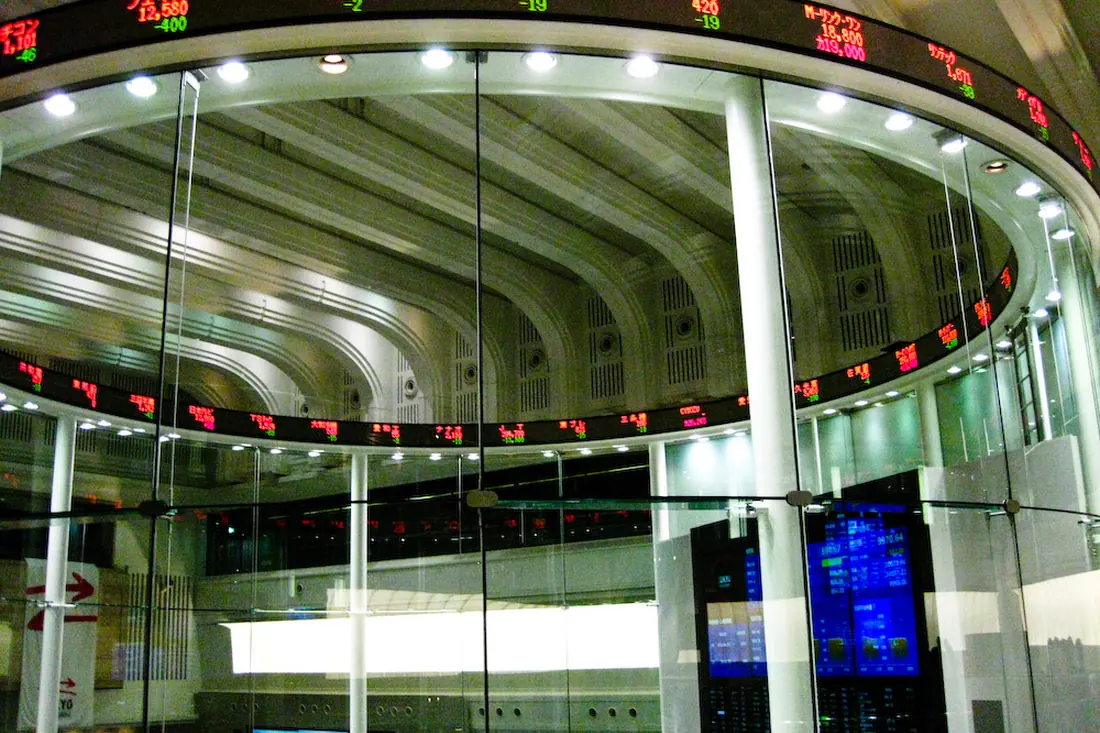
Longer hours have not removed the information lag
On September 29, the Korean government reviewed market-access reforms with global investors including BlackRock, Amundi, Northern Trust and State Street. The discussion covered the After-market, a pilot overseas KRW settlement network, settlement-liquidity changes for foreign securities firms and Korea Securities Depository procedures. Evening trading is one part of a wider attempt to make the Korean market easier to access.
English disclosure requirements have expanded too. Since May 2026, 265 KOSPI companies with at least KRW 2 trillion in assets have been required to provide English filings across 55 disclosure items. The timing is not uniform, however. Companies with at least KRW 10 trillion in assets generally file English versions on the same day, while newly covered companies with at least KRW 2 trillion can file within three days of the Korean version. KOSDAQ companies are not yet part of the mandate.
A moving evening price therefore does not mean every material fact is already available in English. Investors should check Korean filings on the Financial Supervisory Service's DART and KRX's KIND, then verify the time and scope of any English version. DART offers company searches, and KIND provides an English interface.
More trading hours do not guarantee a better fill
The convenience of evening access is separate from whether trading then offers good execution. First-day turnover was meaningful, but the depth of the order book can differ sharply by security. When quotes are split between KRX and NXT, thinly traded shares may fail to fill at the desired price or show a wider bid-ask spread. Because market orders are not available, investors must specify the price at which they are willing to trade.
It is also too early to assume that longer hours will automatically attract foreign inflows. Access matters, but earnings, exchange rates, Korea's heavy semiconductor weight and global risk appetite continue to shape investment decisions. One tally showed foreign investors sold more than KRW 20 trillion net on KOSPI from early September through October 2. Market reform and short-term capital flows can move in different directions.
The KRX After-market gives overseas investors a useful additional window into Korean equities. European investors can see live Korean prices during their morning, and domestic investors have more room to react after work. To use that window well, look past the headline 8 p.m. close and check broker connectivity, eligible securities, limit-order rules and the timing of English disclosures. A sensible first test is a small limit order in a familiar liquid stock, followed by a review of the execution venue and fees shown on the confirmation.
Sources reviewed
The article was checked against the sources below. Image context and credits appear in each caption.
- Ministry of Finance and Economy, Global Core Investor Consultation and market reforms (Sep. 30, 2026)
- Korea Exchange, stock-market trading procedures and After-market hours
- Seoul Economic Daily, eligible securities, orders and settlement (Sep. 9, 2026)
4 more sources
- The Asia Business Daily, first-day KRX and NXT trading (Sep. 14, 2026)
- Financial Services Commission, expansion of mandatory English disclosures (Jan. 28, 2026)
- Seoul Market Brief, a foreign investor's guide to Korean corporate disclosures (Oct. 2, 2026)
- The Asia Business Daily, foreign net selling on KOSPI since September (Oct. 4, 2026)