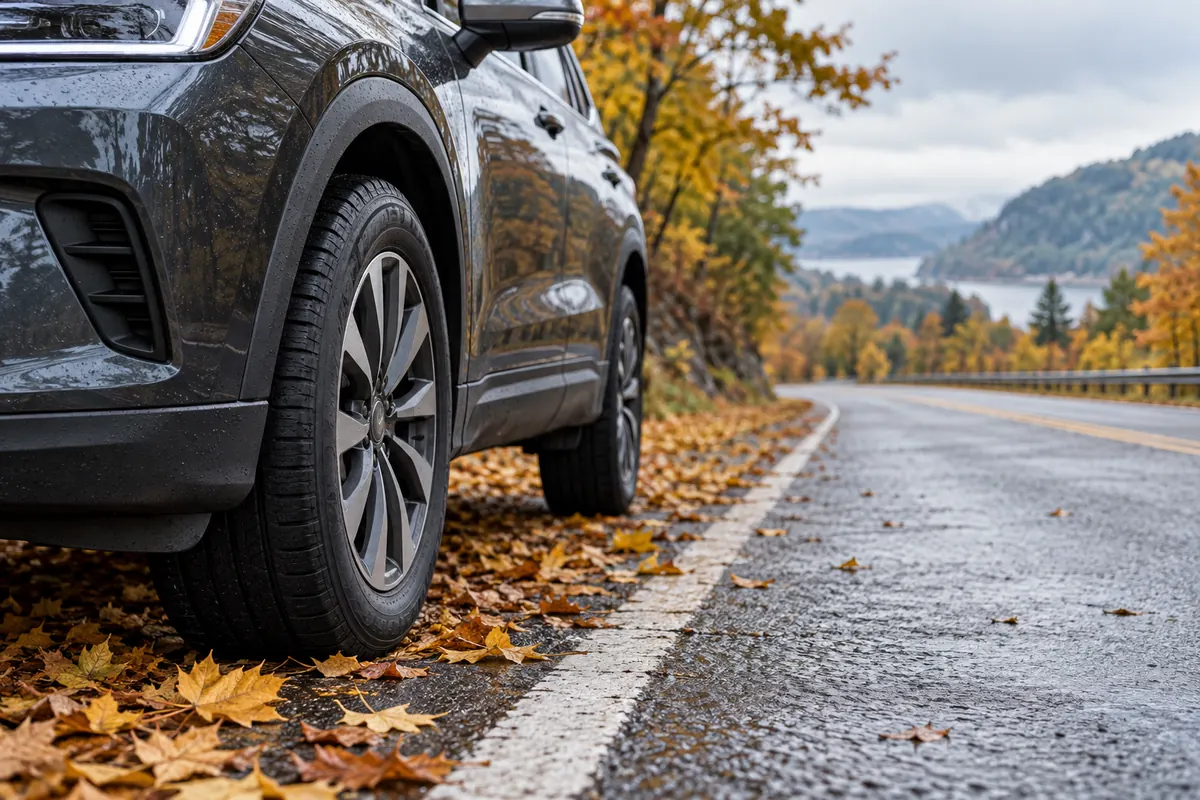
By October, automotive service promotions start mentioning all-season and winter tires side by side. Since a new set will usually stay on the car for several seasons, the all-season option can sound more convenient. But is the name alone enough to say the car is ready for winter? The answer depends on the roads you drive and the markings on the tire sidewall.
BMW Group Korea added an all-season range to a tire campaign that began on October 6, and automotive news published that day covered the change. This article is not an argument for buying those products. It looks instead at the checks that matter more than advertising language when inspecting tires before winter.
'All-season' is a starting point, not a winter performance rating
The U.S. National Highway Traffic Safety Administration says all-season tires can handle a range of road conditions and provide some performance in snow, while winter tires are more effective in deep snow. The term 'all-season' does not by itself describe deep-snow performance. Michelin Korea's listings also show performance markings such as 3PMSF separately for individual models. That is why the model's official specifications and the actual tire sidewall matter more than the product-family name.
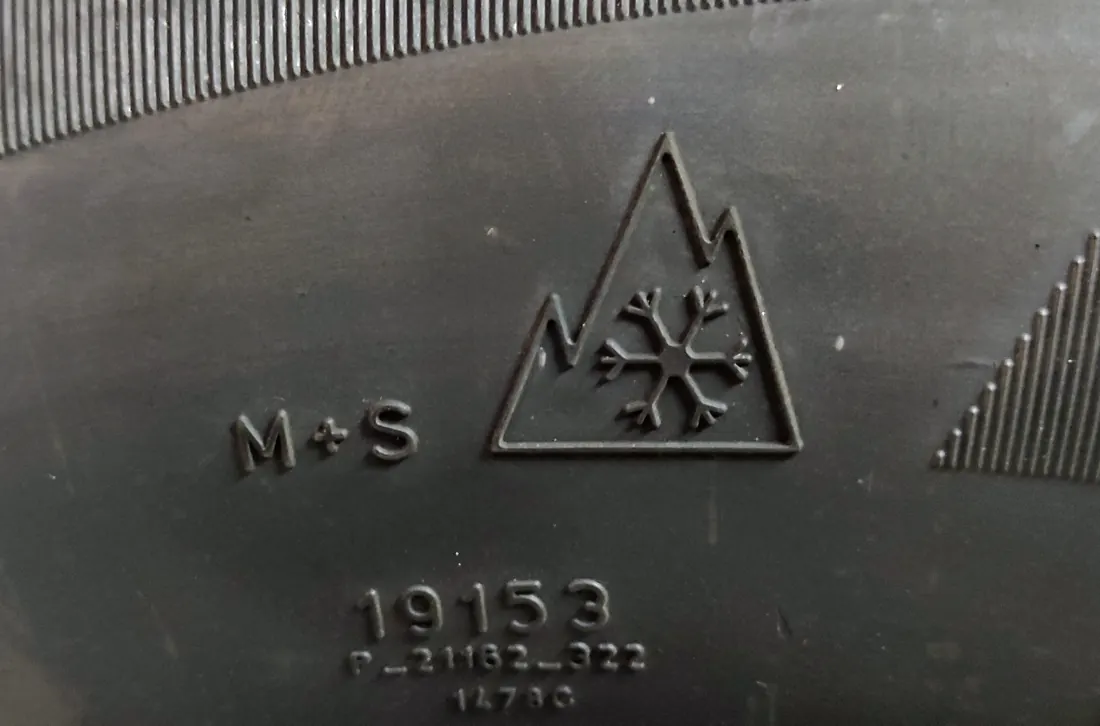
M+S and the mountain snowflake symbol do not mean the same thing
M+S on a tire sidewall stands for mud and snow. Those letters alone, however, do not show that the tire passed a defined snow-performance test. The three-peak mountain snowflake, or 3PMSF, identifies a tire that meets a specified snow-traction requirement. When comparing tires, check whether this symbol actually appears alongside the seller's all-season classification.
The symbol is not a universal guarantee for every winter road. A 3PMSF marking concerns a snow-traction standard; it does not tell you everything about braking on ice, worn tread or driving habits. If you regularly travel on steep roads or through frequent snow, it is better to consider dedicated winter tires and a winter driving plan instead of relying on the all-season name.
Inspect the tires already on the car before shopping for new ones
Before searching for replacements, find the recommended tire size and pressure on the driver's door-jamb label or in the owner's manual. The maximum pressure printed on a tire sidewall is not the same as the pressure recommended for your car. NHTSA advises checking pressure when the tires are cold, after the vehicle has not been driven for at least three hours. Colder weather can also reduce tire pressure, so this check matters regardless of tire type.
If the tread is badly worn or the sidewall has cracks, bulges or cuts, have the tire inspected before worrying about its markings. Transport Canada also notes that snow traction declines as tires wear. When a visual impression is not enough, a service shop can assess tread wear and damage.
The roads you actually drive make the choice clearer
A driver who mostly uses cleared city streets and encounters occasional snow needs different preparation from someone who travels mountain roads or ice-prone sections before dawn. The city driver should still check the tire's specific winter marking and current wear. For the second situation, fitting the same type of winter tire to all four wheels deserves priority. Transport Canada says using winter tires of the same type on all four wheels helps vehicle control and stability.
Choosing tires is different from choosing the biggest discount on one model. Start with the condition of the tires already on the car, then check what snow performance they have demonstrated and where you actually drive. When those three points line up, the question 'Are all-season tires enough?' finally has an answer that fits your car.
Sources reviewed
The article was checked against the sources below. Image context and credits appear in each caption.
- Financial News, report on BMW's tire campaign (Oct. 6, 2026)
- BMW Group Korea, announcement of the tire collection campaign (Oct. 7, 2026)
- NHTSA, recommended tire size and cold-pressure checks
7 more sources
- Michelin Korea, markings by all-season tire model
- Michelin Korea, explanation of M+S and 3PMSF markings
- Transport Canada, fitting winter tires on all four wheels
- Transport Canada, winter tire standards and limits on ice
- Original photo: MatthewGhera, Wikimedia Commons
- Photo license: Creative Commons BY 3.0
- NHTSA, winter tire inspection guidance